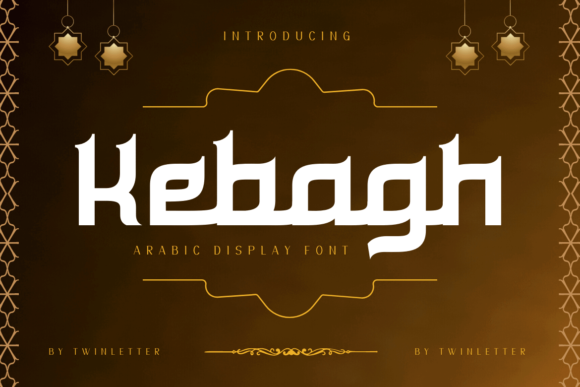
Kebagh: A Bold New Voice in the World of Arabic Typography
In an era where visual identity plays a crucial role in brand communication, typography has become more than just a design element—it's a statement. Among the many fonts that have emerged to meet the evolving needs of designers and creators, Kebagh stands out as a versatile and expressive typeface that blends tradition with modernity. With its unique blend of regular and bound styles, Kebagh offers a fresh approach to Arabic typography, making it a valuable asset for professionals across various industries.
The rise of digital media and global communication has increased the demand for high-quality, adaptable fonts that can cater to both traditional and contemporary design needs. Kebagh is designed with this in mind, offering a range of glyphs and ligatures that are PUA encoded, ensuring seamless access to all its features. This makes it an ideal choice for designers who want to push the boundaries of their creative work without being limited by technical constraints.
The Evolution of Arabic Typography
Arabic typography has long been rooted in historical calligraphy, with each script carrying its own cultural significance and aesthetic appeal. However, as the design industry evolves, there is a growing need for fonts that can bridge the gap between traditional aesthetics and modern functionality. Kebagh addresses this need by offering a style that is both visually striking and highly practical.
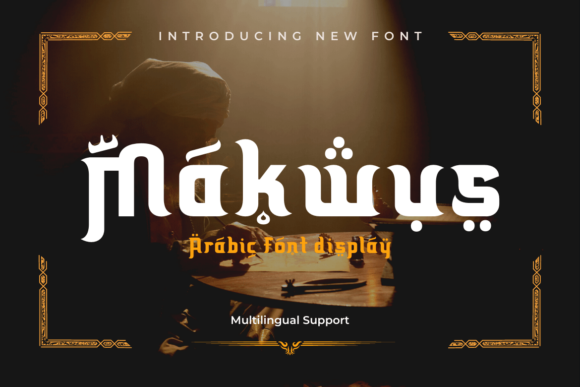
With its regular and bound variations, Kebagh provides flexibility for different design applications. The regular style is perfect for body text, headlines, and general use, while the bound style adds a touch of elegance and sophistication, ideal for logos, titles, and other prominent design elements. This duality allows designers to create cohesive visual identities that resonate with diverse audiences.
Why Kebagh is Gaining Attention
Kebagh has captured the attention of designers, marketers, and entrepreneurs alike, thanks to its ability to adapt to a wide range of projects. Whether it's for magazine covers, packaging, branding, or digital content, Kebagh offers a level of versatility that is rare in the world of Arabic typography.
One of the key reasons for its popularity is its ability to convey both tradition and innovation. In a market where brands are constantly seeking ways to stand out, Kebagh provides a unique visual language that can help differentiate a brand from its competitors. Its clean lines and balanced structure make it easy to read, while its distinctive character adds a sense of personality and flair.
Moreover, the increasing use of Arabic in global markets has created a demand for fonts that are not only functional but also visually appealing. Kebagh meets this demand by offering a font that is both aesthetically pleasing and technically sound. Its PUA encoding ensures that users can access all the glyphs and ligatures without any complications, making it a reliable choice for professional designers.
Applications Across Industries
The versatility of Kebagh makes it suitable for a wide range of industries, from publishing and advertising to product design and digital marketing. In the publishing sector, Kebagh can be used for book covers, editorial layouts, and magazine designs, adding a touch of sophistication to any project. Its readability and visual impact make it an excellent choice for long-form content, ensuring that readers remain engaged throughout.
In the world of packaging, Kebagh can be used to create eye-catching labels and product designs that stand out on the shelf. Its bold and elegant appearance makes it ideal for luxury goods, food products, and consumer electronics, helping brands communicate their values and identity effectively.
For digital marketers, Kebagh offers a powerful tool for creating compelling visuals that capture attention and drive engagement. Whether it's for social media posts, email newsletters, or website copy, Kebagh provides a consistent and professional look that enhances the overall user experience.
Design Trends and the Future of Typography
The design industry is constantly evolving, and typography is no exception. As technology advances and consumer preferences shift, there is a growing emphasis on customization, personalization, and authenticity. Kebagh aligns with these trends by offering a font that can be tailored to fit different design needs while maintaining a strong visual identity.
With the rise of AI and machine learning in design tools, there is an increasing focus on fonts that can be easily integrated into automated workflows. Kebagh’s PUA encoding and extensive glyph set make it compatible with a wide range of software, ensuring that designers can work efficiently without compromising on quality.
Furthermore, as more businesses expand into Arabic-speaking markets, the need for high-quality Arabic fonts has never been greater. Kebagh provides a solution that is not only visually appealing but also culturally relevant, allowing brands to connect with their audience in a meaningful way.
Conclusion
In a world where visual communication is more important than ever, Kebagh offers a powerful and flexible solution for designers, marketers, and entrepreneurs. Its unique combination of regular and bound styles, along with its PUA encoding, makes it a versatile choice for a wide range of projects. Whether you're designing a magazine cover, a product label, or a digital campaign, Kebagh provides the tools you need to create impactful and memorable designs.
As the design industry continues to evolve, fonts like Kebagh will play an increasingly important role in shaping the visual landscape. By combining tradition with innovation, Kebagh sets a new standard for Arabic typography, proving that beauty and functionality can go hand in hand. For professionals looking to elevate their work and stand out in a competitive market, Kebagh is a font worth considering. Its ability to adapt to changing needs and trends ensures that it will remain relevant for years to come.