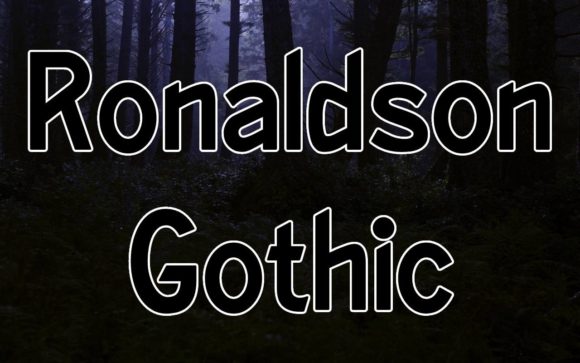
Ronaldson Gothic: A Timeless Choice for Creative Expression
Ronaldson Gothic is a simple gothic font that has gained popularity among designers, writers, and creatives looking for a versatile and elegant typeface. With its well-balanced characters and clean lines, it offers a unique blend of tradition and modernity that can elevate any design project. Whether you're working on a logo, a website, or a printed document, Ronaldson Gothic provides a strong visual foundation that adapts to various styles and purposes.
Developed by author Peter Wiegel, this font is PUA encoded, meaning users have easy access to all glyphs and swashes without the need for complex software or additional tools. This feature makes it particularly appealing to those who want to experiment with typography and create custom designs without technical barriers.
Why Ronaldson Gothic Stands Out
One of the key reasons designers choose Ronaldson Gothic is its ability to blend seamlessly into a wide range of projects. Unlike more ornate or overly dramatic fonts, Ronaldson Gothic maintains a sense of simplicity while still conveying a gothic aesthetic. Its balanced structure ensures readability across different sizes and formats, making it ideal for both digital and print media.
For beginners, this font serves as an excellent starting point for exploring gothic typography. It allows users to experiment with contrast, spacing, and style without overwhelming them with complexity. For professionals, it offers a reliable option that can be customized to fit specific brand identities or creative visions.
Misconceptions About Using Ronaldson Gothic
Despite its versatility, some users may overlook important details when working with Ronaldson Gothic. One common mistake is assuming that all gothic fonts are similar in appearance and functionality. While Ronaldson Gothic shares certain characteristics with other gothic typefaces, its unique design elements set it apart. Failing to recognize these differences can lead to poor typographic choices that undermine the overall impact of a design.
Another misunderstanding is the belief that using a gothic font automatically adds drama or intensity to a project. In reality, the effectiveness of Ronaldson Gothic depends on how it's applied. Overusing it or pairing it with incompatible fonts can create a cluttered or unprofessional look. It's essential to consider the context and purpose of the design before selecting this font.
Common Pitfalls and How to Avoid Them
A frequent error when working with Ronaldson Gothic is not checking the font's licensing terms. Some users may download or use the font without understanding the restrictions, which can lead to legal issues or unintended consequences. Always verify the license agreement to ensure compliance, especially if the font will be used in commercial projects.
Additionally, some users may neglect to test the font in different environments. For example, a design that looks great on a screen might appear differently when printed. It's wise to preview the font in multiple formats and settings to ensure consistency and quality. This step can prevent costly mistakes and save time during the design process.
Another overlooked detail is the importance of proper kerning and spacing. Even though Ronaldson Gothic is well-designed, subtle adjustments may be necessary to achieve optimal visual harmony. Using font management tools or design software with built-in typography features can help fine-tune these elements for a polished result.
Practical Tips for Maximizing Ronaldson Gothic’s Potential
To get the most out of Ronaldson Gothic, start by understanding its strengths and limitations. Use it in situations where a clean yet distinctive gothic style is needed, such as branding, editorial design, or web typography. Pair it with complementary fonts to create contrast and balance, rather than relying on it as the sole typeface in a design.
For example, a designer working on a magazine layout might use Ronaldson Gothic for headings to add a touch of elegance, while opting for a sans-serif font for body text to enhance readability. This approach ensures that the gothic influence remains present without overpowering the overall composition.
When downloading or purchasing Ronaldson Gothic, always choose a reputable source. Avoid unofficial or unverified websites that may offer corrupted files or hidden costs. Check reviews and user feedback to ensure the font meets your expectations and functions as described.
What to Consider Before Making a Decision
Before incorporating Ronaldson Gothic into a project, ask yourself whether it aligns with the intended message and audience. A gothic font may not be suitable for every type of content, especially if the goal is to convey a modern, minimal, or casual tone. Evaluate the context carefully to avoid mismatched aesthetics.
Also, consider the technical requirements of your design software. Ensure that the font is compatible with your workflow and that all necessary glyphs and features are accessible. If you encounter any issues, consult the font's documentation or reach out to the developer for support.
Finally, don’t hesitate to experiment. Typography is a powerful tool, and Ronaldson Gothic offers a lot of flexibility. Try different weights, sizes, and combinations to find the best fit for your creative vision. The more you explore, the better you'll understand how to use this font effectively.
Conclusion: Make the Right Choice with Ronaldson Gothic
Ronaldson Gothic is more than just a font—it's a versatile tool that can enhance creativity and communication. By understanding its features, avoiding common mistakes, and applying it thoughtfully, you can unlock its full potential. Whether you're a beginner or an experienced designer, this font offers a reliable and stylish option for a wide range of projects.
Take the time to evaluate your needs, test the font in real-world scenarios, and make informed decisions. With the right approach, Ronaldson Gothic can become a valuable asset in your design toolkit, helping you bring your ideas to life with clarity and confidence.