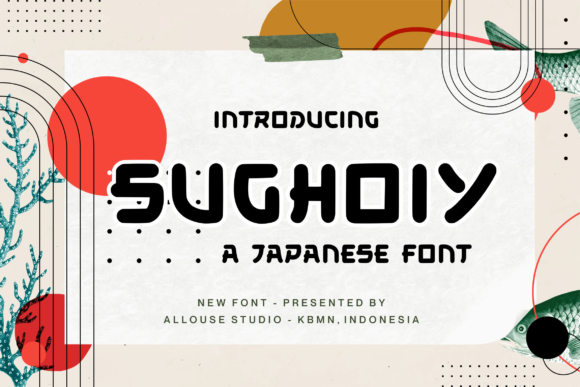
Sughoiy: Japanese-Inspired Font for Mystical Design
Sughoiy is more than just a font—it's a creative tool that brings a sense of mysticism and legend to your designs. Inspired by Japanese aesthetics, this typeface offers a unique visual identity that can elevate any project. Whether you're working on a poster, packaging, branding, or digital content, Sughoiy adds an air of intrigue and cultural depth that resonates with modern audiences.
What Makes Sughoiy Unique?
At its core, Sughoiy blends traditional Japanese calligraphy with contemporary design principles. The strokes are fluid yet structured, evoking the elegance of ancient scripts while maintaining readability in modern contexts. This balance makes it ideal for projects that require both artistic flair and clarity.
The font’s character set includes a range of symbols and glyphs that reflect Japanese culture, from kanji to hiragana. These elements allow designers to incorporate authentic details without needing to learn the language itself. It’s a powerful way to add cultural authenticity to your work, especially when targeting Japanese or Asian markets.
Creative Applications of Sughoiy
Sughoiy is incredibly versatile, making it suitable for a wide array of design projects. For instance, in branding, it can be used to create logos that feel timeless and sophisticated. Its mystical aura makes it perfect for businesses in the wellness, spirituality, or artisanal sectors. A yoga studio, a tea company, or a boutique clothing line could all benefit from the font’s unique character.
In packaging design, Sughoiy can transform ordinary products into something extraordinary. Imagine a luxury skincare brand using the font on its labels—each product feels like a piece of art. The font’s intricate details can also make it stand out in a crowded marketplace, helping brands capture attention and convey a sense of exclusivity.
For digital content, Sughoiy works well in headings, banners, and social media graphics. It can be used to create eye-catching visuals that align with a brand’s aesthetic. When paired with minimalist backgrounds or natural textures, the font gains even more impact, making it a go-to choice for designers looking to add a touch of mystery to their work.
Adapting Sughoiy for Different Goals
Designers can tailor Sughoiy to suit various goals and audiences. For example, a marketing team targeting younger demographics might use the font in a bold, stylized way to convey energy and creativity. On the other hand, a more conservative audience might prefer a subtler approach, using the font in combination with clean layouts and neutral colors.
When working with international clients, Sughoiy can help bridge cultural gaps. Its Japanese inspiration makes it a great choice for projects that aim to connect with Asian audiences or evoke a sense of exoticism. However, it’s important to consider context—using the font inappropriately could lead to misinterpretation or lack of relevance.
Practical Tips for Using Sughoiy
To get the most out of Sughoiy, start by understanding the message you want to convey. Is your project about tradition, innovation, or storytelling? The font’s versatility allows it to fit into different narratives, but it’s essential to align its use with your overall design strategy.
When pairing Sughoiy with other fonts, choose complementary styles that enhance rather than compete. A sans-serif or serif font can provide contrast and balance, making the text easier to read while still maintaining the mystical feel of Sughoiy. Avoid overloading designs with too many elements; simplicity often has the greatest impact.
Testing the font in different sizes and formats is also crucial. What looks good in a headline may not work as well in body text. Experiment with spacing, color, and layout to find the right balance between style and functionality.
Real-World Examples and Inspiration
Many designers have successfully integrated Sughoiy into their work. For instance, a travel blog might use the font for featured headlines, giving each post a sense of adventure and discovery. A book cover designer could use it to create titles that feel both classic and modern, appealing to a broad audience.
Another example is in event promotions. A music festival or cultural fair could use Sughoiy to design posters that feel immersive and authentic. The font’s visual appeal helps draw attention, while its cultural roots add depth and meaning to the event’s theme.
Keeping Your Design Audience-Friendly
While Sughoiy is visually striking, it’s important to ensure that your design remains accessible. Consider the readability of the font in different contexts, especially for users with visual impairments. Using high-contrast color schemes and appropriate sizing can help maintain clarity without sacrificing style.
Consistency is also key. If you’re using Sughoiy across multiple platforms—such as print, web, and social media—make sure the font is applied uniformly. This helps reinforce your brand’s identity and ensures a cohesive experience for your audience.
Conclusion: Embrace the Mystique of Sughoiy
Sughoiy offers a powerful way to infuse your designs with a sense of mystery and cultural richness. Whether you’re a designer, marketer, or entrepreneur, this font provides a unique opportunity to stand out in a competitive landscape. By understanding its strengths and applying it thoughtfully, you can create work that resonates with your audience and tells a compelling story.