White Bread: A Playful Font for Creative Workflows
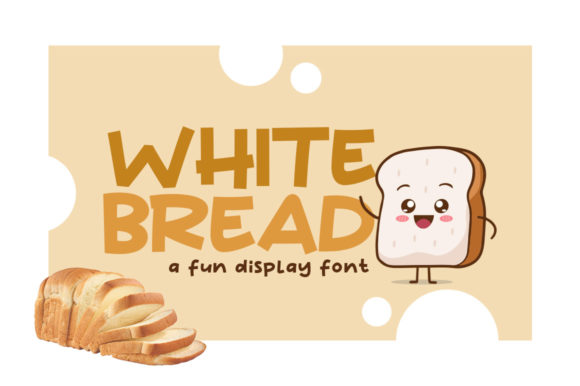
White Bread is more than just a font; it's a design element that brings a sense of fun and creativity to any project. This playful display font is ideal for those looking to add a whimsical touch to their work, whether it's for cartoon-related designs, children’s games, or any creative endeavor that benefits from a lighthearted approach. Its unique style makes it stand out in a world of more serious typography, offering a fresh alternative that can elevate the visual appeal of your designs.
When integrated into a broader workflow, White Bread can serve as a key component in the visual identity of a project. It fits well within the planning and execution phases of design processes, helping to establish a tone that aligns with the intended audience. Whether you're working on a marketing campaign, a branding initiative, or a personal project, this font can be a valuable tool in your design arsenal.
Using White Bread in Different Stages of a Project
White Bread can be utilized at various stages of a project, from the initial concept to the final delivery. During the brainstorming phase, it can inspire creativity and help convey a playful mood that encourages innovation. In the design phase, it can be used to create mockups, storyboards, or visual concepts that reflect the desired aesthetic. Finally, during the presentation or launch phase, it can enhance the overall look of promotional materials, ensuring that the message is both engaging and memorable.
For example, if you're developing a children's game, incorporating White Bread into the title screen or user interface can immediately communicate a fun and inviting atmosphere. Similarly, in a marketing campaign targeting a younger demographic, using this font can help capture attention and create a lasting impression.
Integration with Other Design Tools and Resources
White Bread works well with other design tools and resources, making it a versatile choice for designers and creators. It can be easily integrated into graphic design software such as Adobe Photoshop, Illustrator, or Canva, allowing for seamless application across different platforms. Additionally, it can be paired with other fonts to create a balanced and cohesive visual hierarchy, ensuring that the message is clear and the design is aesthetically pleasing.
When working with a team, it's important to ensure that everyone has access to the same font files and guidelines. This helps maintain consistency across all design assets and prevents potential issues with compatibility or formatting. By establishing a shared resource library, teams can streamline their workflow and reduce the time spent on adjustments and revisions.
Practical Implementation Tips
To get the most out of White Bread, consider the following implementation tips. First, use it strategically to highlight key elements in your design. Whether it's a headline, a call-to-action, or a logo, the font can draw attention and reinforce the intended message. Second, experiment with different sizes and weights to find the right balance between readability and visual impact. While the font is designed to be playful, it should still be legible, especially in smaller text sizes.
Third, test the font in different contexts to see how it performs. For instance, if you're using it in a digital format, check how it appears on various devices and screen resolutions. If it's for print, ensure that it maintains its clarity and charm when printed. Finally, consider the overall design composition and how White Bread interacts with other elements. A well-thought-out layout can enhance the effectiveness of the font and contribute to a more engaging user experience.
Factors to Consider for Long-Term Use
When using White Bread over an extended period, several factors should be taken into account. Preparation is essential, as it ensures that the font is properly installed and accessible across all necessary platforms. Compatibility is also crucial, as some systems may not support certain font formats. To avoid issues, always verify that the font is compatible with the software and devices you plan to use.
Usability is another important consideration. While White Bread is designed to be visually appealing, it should also be easy to work with in practice. This includes ensuring that it can be edited, scaled, and customized without compromising its quality. Organization plays a role in long-term use as well, as keeping track of font files and usage guidelines can prevent confusion and streamline the design process.
Efficiency and consistency are key to maintaining the integrity of your design work. By using White Bread consistently across different projects, you can build a recognizable brand identity that resonates with your audience. Quality control is also important, as it ensures that the font is applied correctly and that the final output meets your standards.
Real-World Use Cases
White Bread can be applied in a variety of real-world scenarios, each with its own set of requirements and challenges. For instance, in educational settings, it can be used to create engaging learning materials that capture the attention of students. In business environments, it can be incorporated into presentations, reports, or promotional content to add a touch of creativity and professionalism.
Freelancers and small business owners can benefit from using White Bread in their branding efforts, helping to differentiate their work from competitors. Bloggers and content creators can use it to make their posts more visually appealing, enhancing the overall reading experience. Even in personal projects, such as DIY crafts or home decor, White Bread can add a unique and personalized touch.
By understanding the specific needs of each use case, users can tailor their approach to maximize the effectiveness of White Bread. This involves considering the target audience, the medium of delivery, and the overall goals of the project. With careful planning and execution, White Bread can become an integral part of a designer's toolkit, contributing to the success of their creative endeavors.